Hello.
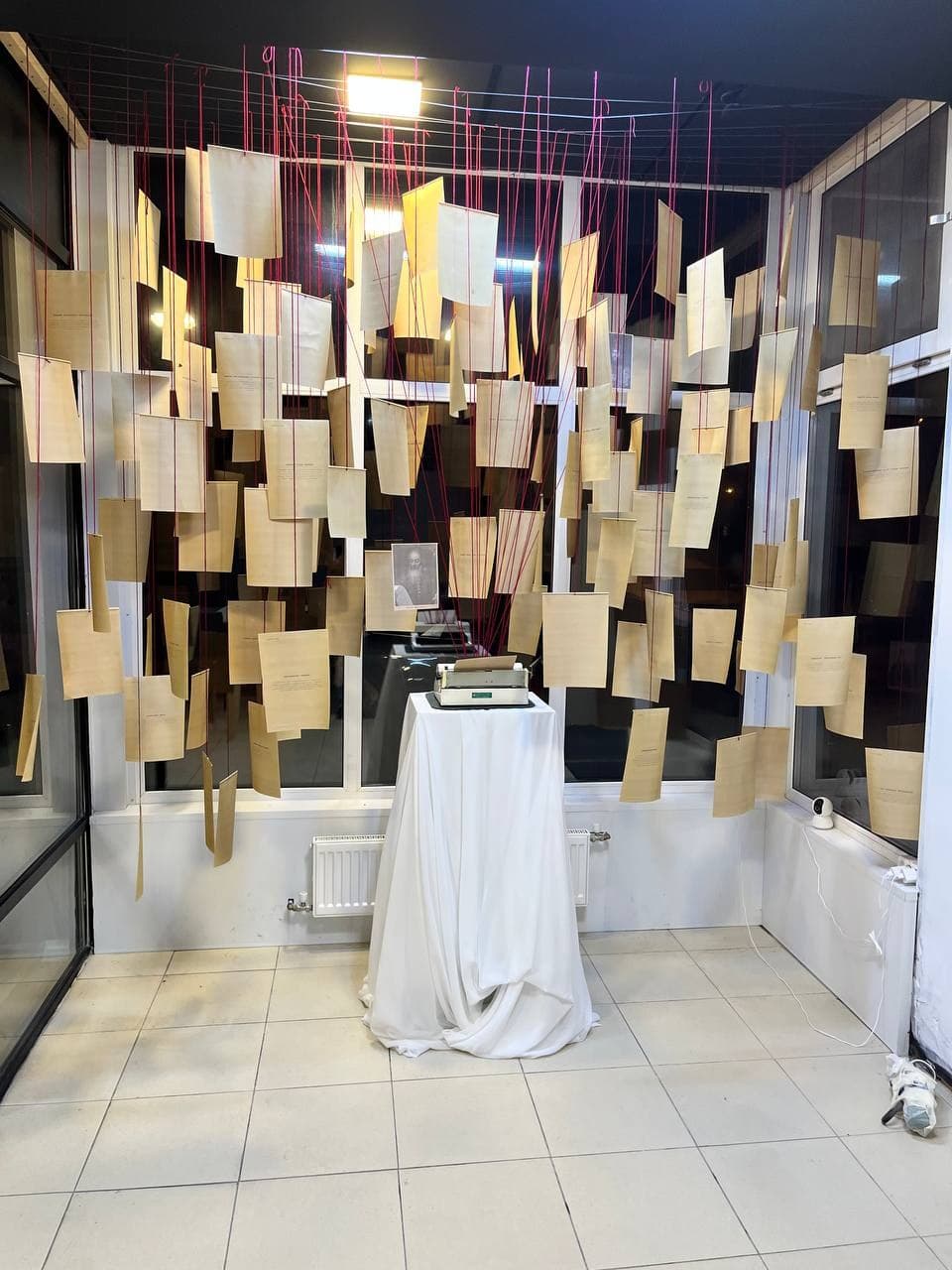
You are at an installation dedicated to the 150th anniversary of the Synodal Bible translation.
Today it is familiar to open the Bible in Russian — in a book, on a phone, on a website or in an app. But the path to that was long and difficult.
For many centuries Scripture in Rus’ was read in Church Slavonic — the language of worship and church tradition.
Yet living Russian speech kept changing. More and more people could no longer easily read and understand the biblical text on their own.
In the early nineteenth century came an important turn. According to contemporaries, in 1812 Prince Alexander Golitsyn introduced Emperor Alexander I to the Bible. The emperor began reading Scripture in a French translation.
In 1813 the Russian Bible Society was founded by imperial decree, and in 1816 systematic work on a Russian translation began.
The Gospels appeared in 1818, and the New Testament in the 1820s. Then the project was paused for nearly thirty years.
Officially the translation stopped. In practice the work continued. Gerasim Pavsky kept translating Old Testament books. Makariy Glukharyov also worked on a Russian Bible.
Later, in the 1850s, the work was renewed. Four theological academies, theologians, philologists and scholars of ancient languages laboured on the text.
In 1876 the complete Bible in Russian appeared “with the blessing of the Holy Synod”. That is how the Synodal translation came to be.
It did not replace Church Slavonic in worship, but became the Bible for reading, understanding and spiritual instruction at home.
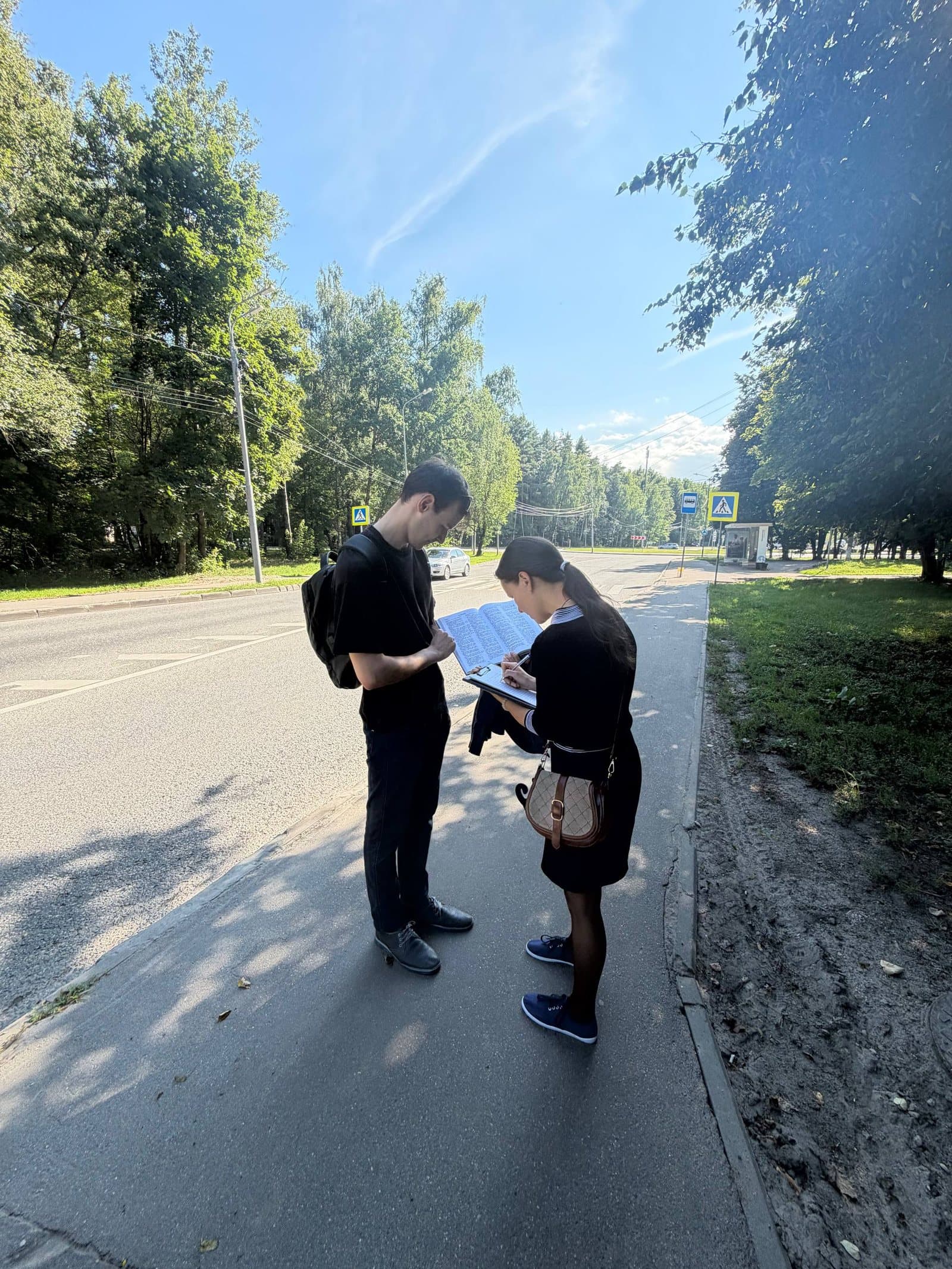
Today we invite you to become part of this story: copy a few lines from the New Testament and personally touch the words of the Gospel.
Because the Bible is not only a monument of history. It is a sacred book that speaks of God, of humanity, of the meaning of life, hope and Saviour Jesus Christ.